The engine gives clues before it gives up
A warning light, new noise, rough idle, power loss, smoke, or fluid leak can point to many different causes. Nomad Services, Inc. can diagnose the symptoms before you commit to a major repair.
- Symptom-based engine diagnosis
- Repair recommendations based on findings
- Local Quincy automotive service
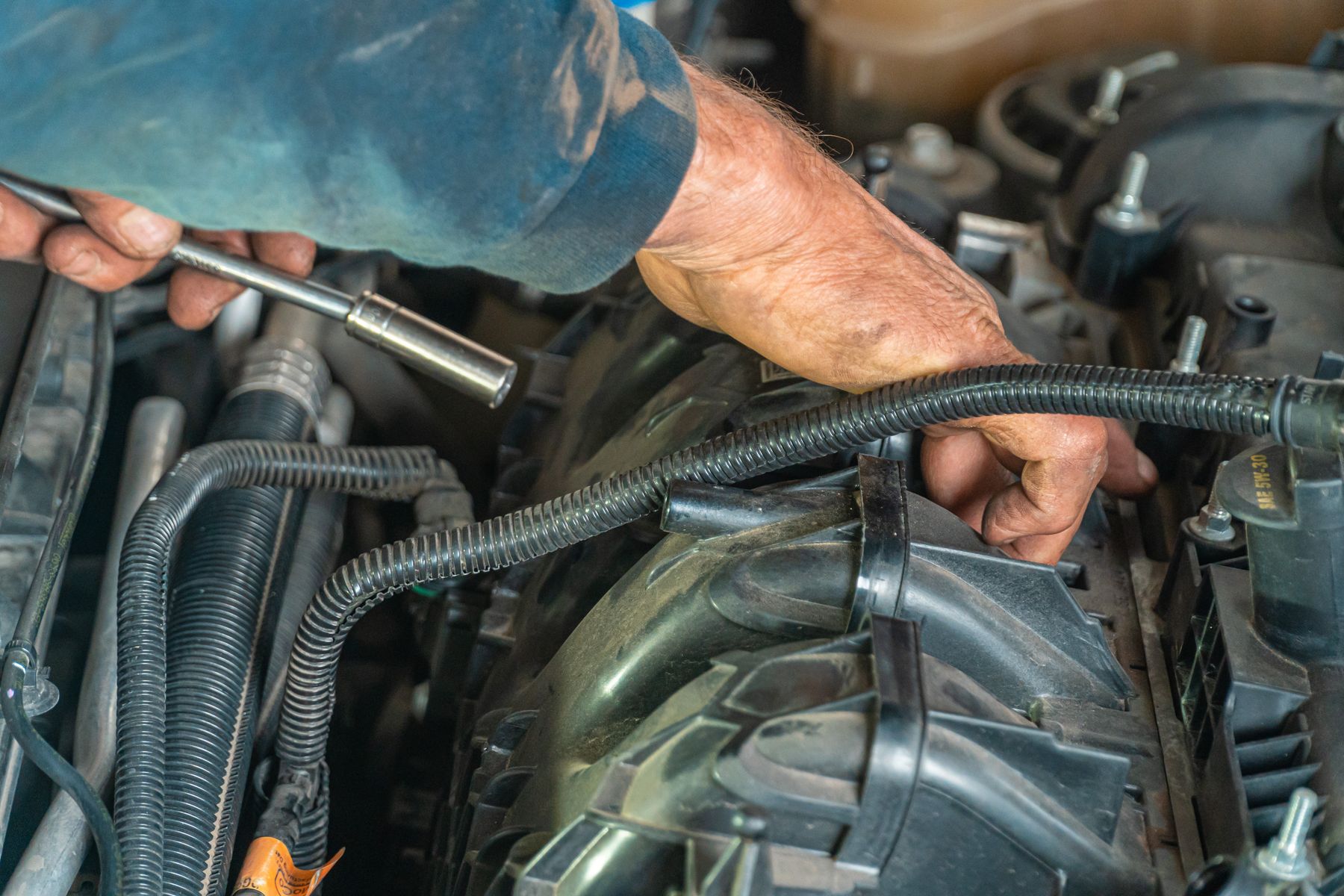
An engine symptom is a starting point—not a diagnosis
Modern engines depend on mechanical, electrical, fuel, ignition, air, cooling, lubrication, and emissions systems working together. Similar symptoms can come from very different faults, which is why testing and inspection matter.
Warning lights and stored information
A check-engine light can help direct testing, but a trouble code identifies a detected condition—not automatically the failed part.
Sounds, smells, and vibration
Knocking, ticking, squealing, shaking, burning odors, or exhaust smells provide useful clues about when and where a problem occurs.
Fluid level and condition
Engine oil and coolant protect critical components. Low levels, contamination, leaks, or overheating can change how urgent a repair becomes.
How the vehicle behaves
Hard starting, stalling, hesitation, power loss, poor fuel economy, and rough idle can guide a technician toward the systems that need testing.
The answer begins under the hood—not in a parts catalog
Engine trouble does not always mean the engine itself has failed. Sensors, wiring, ignition components, air or fuel delivery, cooling-system faults, leaks, accessories, and emissions equipment can all affect how an engine runs.
Nomad Services, Inc. can examine the vehicle at 325 Vermont Street, gather evidence, and explain whether the repair is routine, involved, or something that needs immediate attention.
- Check-engine or temperature warning lights
- Rough idle, stalling, or hard starting
- Knocking, ticking, squealing, or new vibration
- Power loss, smoke, overheating, or fluid leaks
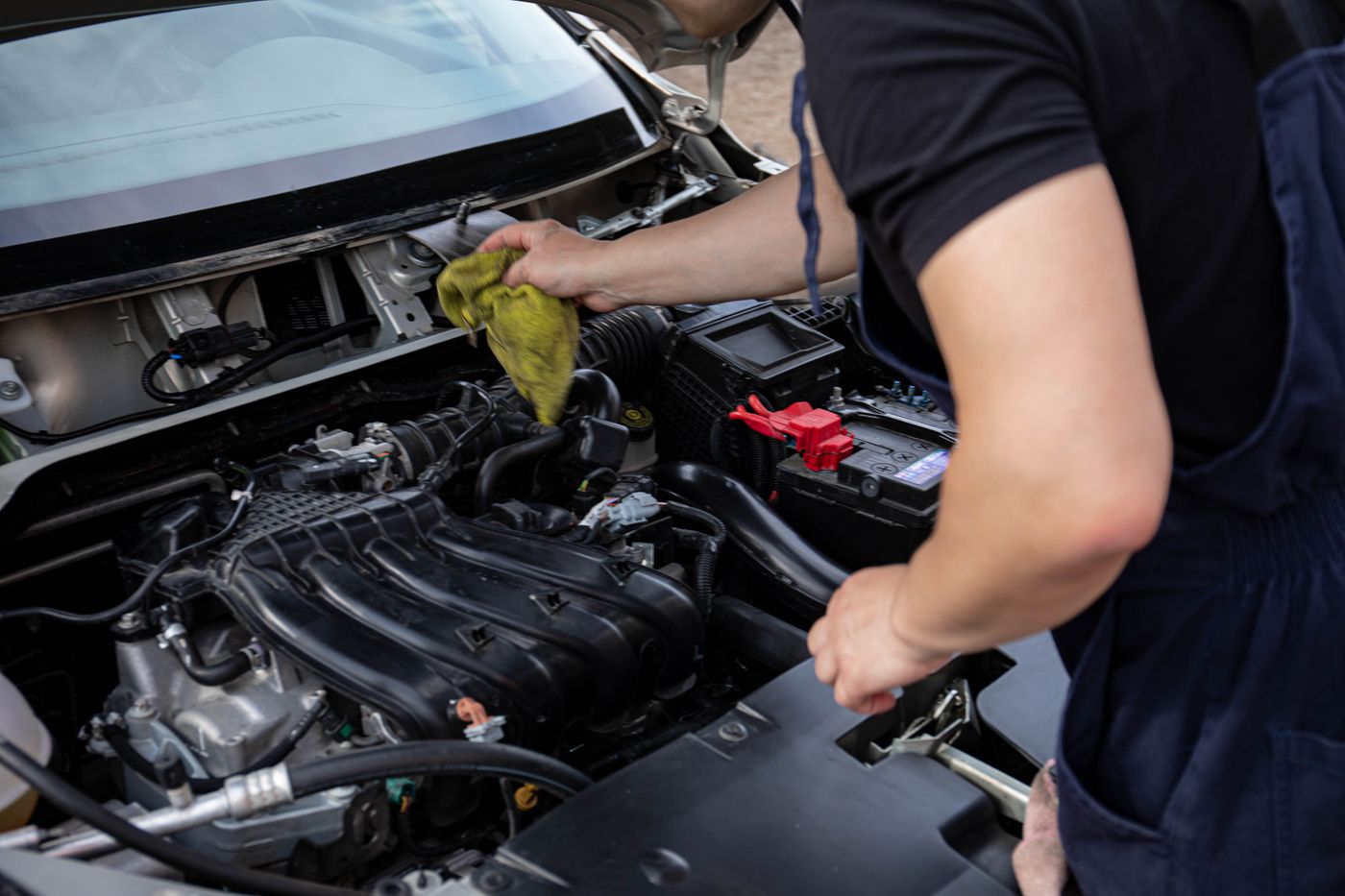
The details you observe can shorten the path to an answer
When the symptom happens
Cold starts, warm idle, acceleration, highway speed, hills, hot weather, or recent service can all change when a problem appears.
What the engine sounds like
Describe whether the sound is a knock, tick, rattle, squeal, hiss, or rumble and whether it follows engine speed.
What the dashboard shows
Note which warning light appeared, whether it flashed or stayed on, and whether the temperature or oil-pressure indication changed.
What changed recently
Fuel stops, maintenance, repairs, weather, long trips, a dead battery, or a new leak may provide useful context for diagnosis.
Make the repair decision with better information
Avoid replacing unrelated parts
Testing helps separate the failed component from other parts affected by the same symptom or trouble code.
Understand repair urgency
Some conditions allow careful scheduling; others can cause rapid damage or unsafe operation and should be addressed immediately.
See the complete picture
An inspection can reveal related leaks, maintenance needs, or damage that should be considered before work begins.
A practical path toward engine repair
Describe what changed
Call Nomad Services with the warning lights, noises, odors, leaks, smoke, or driveability symptoms you have noticed.
Inspect and test the vehicle
Bring the vehicle to 325 Vermont Street so the shop can gather diagnostic information and examine the related systems.
Choose the repair direction
Review the findings, recommended work, urgency, and any related concerns before authorizing repairs.
What to know when the engine is not running normally
Not necessarily. The light can relate to engine, fuel, ignition, air, sensor, emissions, electrical, or other system conditions. Reading codes is a useful first step, but testing is needed before a failed part or repair is confirmed.
A flashing check-engine light often indicates an active misfire severe enough to risk catalytic-converter damage. Reduce load, stop safely, and seek professional guidance. If the engine is shaking badly, overheating, losing oil pressure, or making heavy knocking sounds, shut it off.
Possible causes range from oil-level or lubrication concerns to worn components, combustion problems, accessory-drive noise, or normal operation of certain parts. Because severity varies, a new or worsening sound should be inspected.
No. Rough idle can result from ignition, fuel, air, sensor, vacuum, electrical, mechanical, or maintenance-related conditions. Diagnosis helps determine whether the repair is minor or more involved.
Nomad Services, Inc. is located at 325 Vermont Street, Quincy, Illinois 62301. Call 217-430-6170 to discuss engine symptoms or service availability.
The shop is open Monday through Friday from 7:30 a.m. to 5:00 p.m. Call ahead to confirm scheduling and holiday hours.
Tell Nomad Services what your engine is doing
Share when the symptom began, which warning lights appeared, and any noises, odors, leaks, smoke, vibration, or power changes you noticed. Call 217-430-6170 during business hours.